
Highlights from Apple’s September 2025 Event: iPhone 17 and iPhone Air Unveiled
Apple’s highly anticipated September 2025 launch presentation has concluded, revealing the iPhone 17 series, including the standard iPhone 17, alongside a fresh model: the iPhone Air, as well as the iPhone 17 Pro and Pro Max versions.
Focusing on the first two models, especially the iPhone Air, which makes its debut this year and takes the place of the iPhone 16 Plus, these devices are poised to capture the interest of many, with the Air presenting itself as one of Apple’s most exciting products in recent memory.
Embracing Thinness
In 2025, the emphasis on sleek smartphone designs has intensified, highlighted by devices like the Samsung Galaxy S25 Edge. The iPhone Air follows this trend, boasting a mere 5.6 mm (0.22 inches) thickness, outshining Samsung’s 5.8 mm (0.23 inches) design. Apple heralded this model as “a glimpse into the future” during their grand reveal.

The iPhone Air is powered by the A19 Pro chipset, which it shares with the Pro variants, making it Apple’s most energy-efficient and resilient device to date. It features Ceramic Shield protection on both the front and rear, with the latest version ensuring resistance to scratches and cracks. Notably, the device is crafted from 80% recycled titanium.

Credit: Apple
Design-wise, the iPhone Air introduces a distinctive camera bar (or “plateau,” as Apple prefers to call it) on its rear, complemented by a 6.5-inch display that supports ProMotion technology with a variable refresh rate of up to 120Hz. Buyers will have their choice among four attractive colors: space black, cloud white, light gold, and sky blue.
Drawbacks: Camera and Battery Performance
While the Air is remarkably thin and offers performance akin to the Pro models, there are some trade-offs. The device features a single 48MP rear camera, which Apple describes as effectively functioning as four cameras in one, allowing for 12MP photos with 2x optical zoom. The front sports an 18MP selfie shooter equipped with Center Stage technology, which tracks faces to keep them in frame and automatically adjusts between portrait and landscape as necessary.
Another area of concern is battery life. The Air’s design packs most hardware components toward the top for accommodating a larger battery while eliminating the physical SIM card slot in favor of eSIM only, making it universally applicable. Apple touts “all-day battery life” for the Air, offering up to 40 hours of video playback with the optional portable battery pack. Without it, users can expect about 27 hours, which falls three hours short of the iPhone 17’s capabilities.
Despite these limitations, the eye-catching design and newness of the Air may attract considerable interest. The iPhone Plus had a three-year availability that began in 2022 with the iPhone 14, and before that, there was the iPhone 12 mini and iPhone 13 mini. Apple is poised to see better sales with the Air compared to its predecessors.
Credit: Apple
iPhone 17: An Entrant Worth Noticing
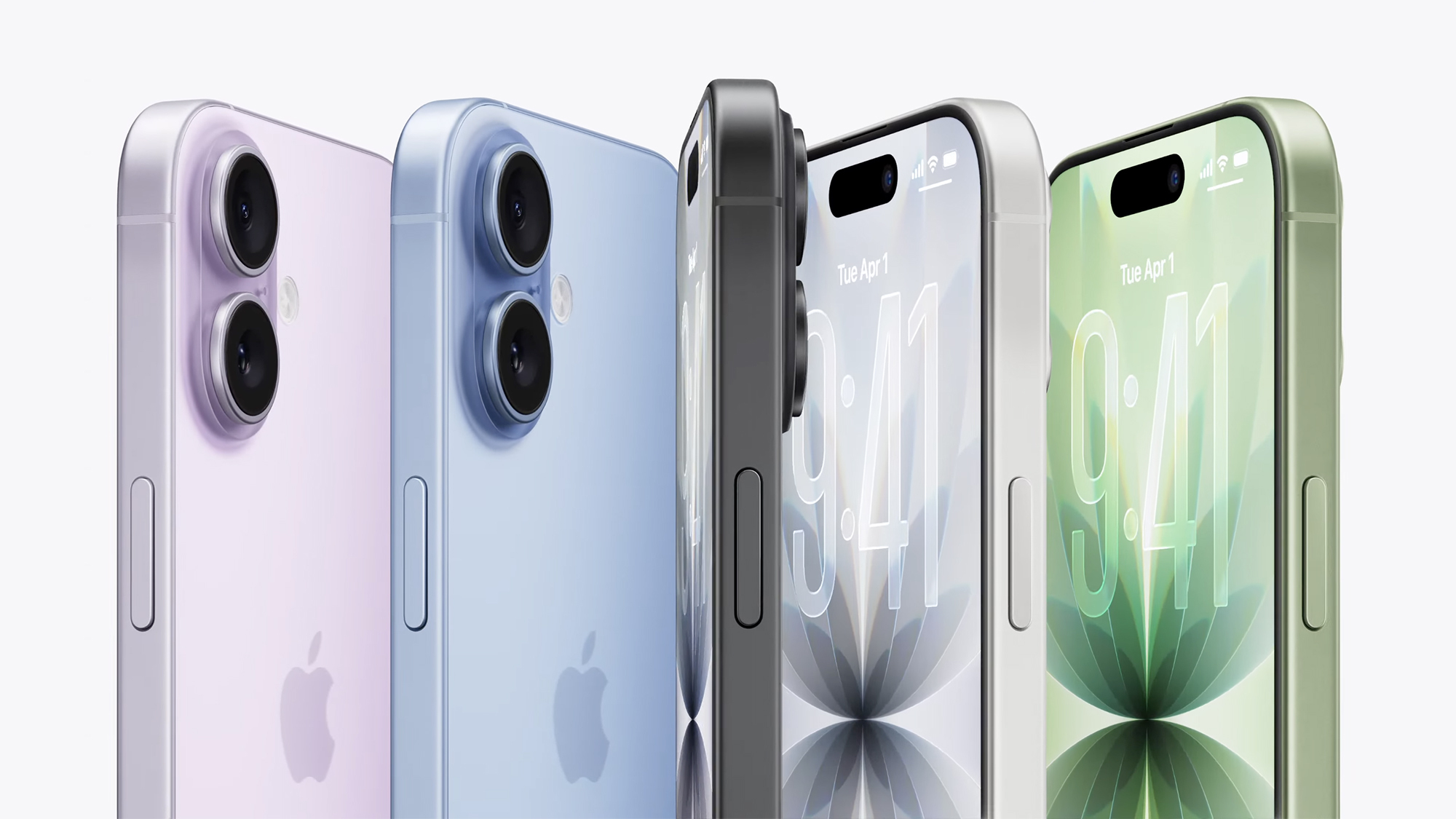
Additionally, the iPhone 17 deserves recognition. In recent years, the standard iPhone has often found itself in the shadow of pricier, feature-rich alternatives. However, this year’s entry-level model showcases an expanded 6.3-inch screen (up from 6.1 inches in the iPhone 16) and introduces ProMotion technology with a refresh rate of up to 120Hz for the first time, promising smoother animations and an always-on display. Although the front now sports Ceramic Shield 2 protection, the back lacks this enhancement, as is found in the Air.
The processor has been upgraded from the iPhone 16 to a non-Pro variant of the A19, which Apple claims offers improvements in both power and efficiency compared to the A18. On the rear, a dual-camera setup (48MP + 48MP) provides ultrawide capabilities and up to 2x optical zoom, complemented by the same 18MP front camera with Center Stage functionality as the Air. Color options for the standard iPhone 17 include black, lavender, mist blue, sage, and white.
Pre-orders for these models commence on Friday, September 12, with a public release slated for September 19. The iPhone 17 maintains a starting price of $799, the same as its predecessor, but now offers double the initial storage capacity—256GB compared to the previous 128GB. The iPhone Air, priced at $999, also starts with 256GB of storage.