Rediscovering Gaming with Roblox
This week, thoughts swirl around the possibility of camping outside Best Buy in hopes of snagging a Nintendo Switch 2. In this endeavor, my children offer little support, primarily because their gaming interest lies solely in Roblox. My son has even gone so far as to dub Mario Kart as “boring.”
For those who may not be familiar with Roblox, perhaps you’re not immersed in a world with kids. When my daughter first inquired about trying it during the pandemic, I misheard her, thinking she meant “Road Blocks.” Roblox isn’t just a gaming console or a single game; it’s an expansive online platform that serves as a social space for users to engage in thousands of independently created, mostly free-to-play games, many of which are quite simplistic and visually unappealing. Yet, children—often known for their lack of discerning taste—are drawn to it; in fact, 40% of its daily users, totaling 85 million, are under the age of 13.
Initially, Roblox struck me as visually unappealing, with a host of games created using the same basic blocky design that downplays aesthetic depth. The controls range from lagging to cumbersome across different devices, leading to gameplay experiences that often lack substance. Many titles resemble a “skinner box,” where players are encouraged to grind for rewards to unlock other challenges, requiring even more playtime to achieve additional rewards, which is enjoyable only if the gaming experience itself is captivating. Titles like Sword Simulator offer minimal interactivity, allowing players to merely wander around and attack defenseless enemies while earning experience points. This game even features an “AFK Mode,” enabling it to play without any input from the user. Advancement in such games frequently involves shortcuts that utilize “Robux,” an in-game currency bought with real money. Sounds fun, right?
For a significant duration, the kids’ excitement about Roblox baffled and frustrated me, especially when they opted not to indulge in “real” video games (like Mario) with me. Ultimately, I decided to make a sincere effort in understanding what draws so many children to Roblox—not just due to concerns about reports detailing potential scams harming minors or worse issues, but also to find common ground and forge a better connection with them through their interests.
Through some exploration (Roblox can be quite challenging for those unfamiliar), I was pleasantly surprised to find several Roblox games that were…actually enjoyable to play, either with my kids or solo after they’ve gone to bed. While these titles might not align with traditional video game experiences, they certainly aren’t wholly unfun—and I now often agree when my kids suggest we play them together. Here are six Roblox games that have entertained our family (to be fair, they’ve also played a significant amount of Mario alongside me).
Grow a Garden

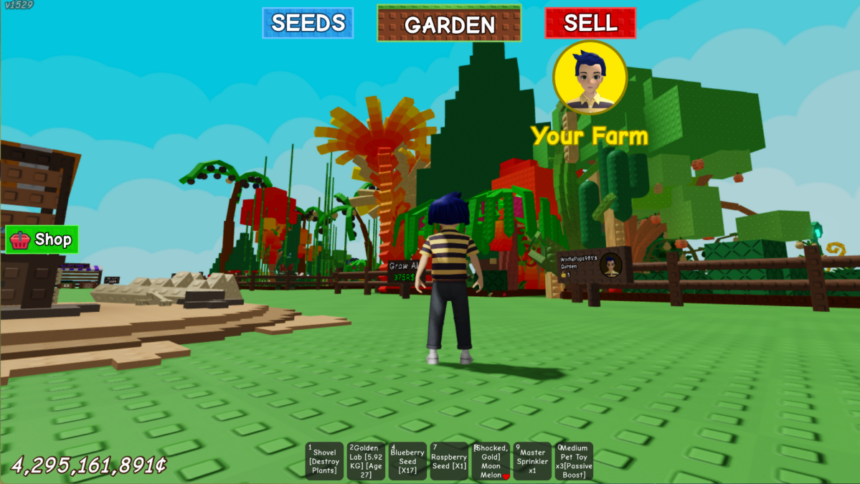
When The New York Times begins covering a Roblox game, you know it’s making waves—and Grow a Garden stands out as one of the top games in terms of active users, even surpassing Fortnite in daily averages. This engaging game feels reminiscent of that iconic Facebook game, Farmville, and has captured my family’s collective interest. The primary gameplay cycle is quite straightforward: players purchase and plant seeds, harvest fruits and vegetables, sell their produce for cash, and reinvest their earnings into more seeds, ultimately accumulating a bank balance robust enough to afford rare seeds with higher yields. This simple progression becomes surprisingly addictive as players aim to upgrade their gardens with cooler aesthetics and even trigger “mutations” for enhanced crop appearances, influenced by random in-game weather events.
New seeds appear at intervals, and in addition to moderator events, crafting, and pet-raising features keep the experience fresh. A standout aspect of Grow a Garden is that it remains playable without spending real money—Robux is available to speed up processes, but engaging with the game is achievable without it. (Though that doesn’t prevent my son from requesting more Robux.)
Toilet Tower Defense
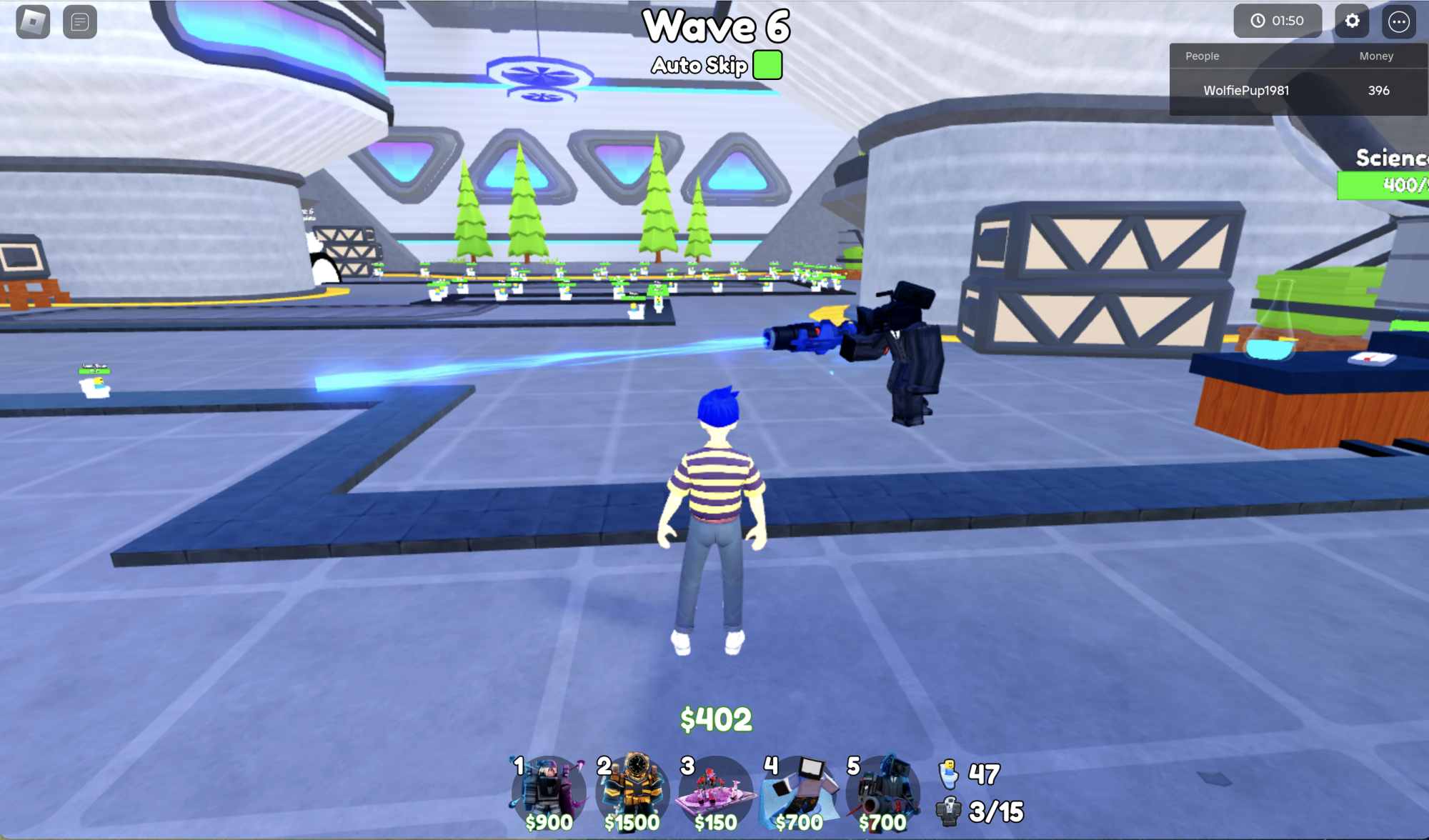
This might just be the favorite game of my son and me—though it requires some background knowledge of the “Skibidi Toilet” trend, which is quite a tale on its own (luckily, you can read about it here). Once you get past the premise of assembling a robot army to combat waves of toilet monsters, this game offers a fun take on the tower defense genre. The gameplay balances between deploying and upgrading battle units while ensuring your base withstands toilet attacks, along with quests and trades to enhance your army.
Success often requires plenty of gameplay time, but players can purchase in-game currency, such as Robux or gems, for stronger characters. Yet, one can still enjoy the game completely free of charge, and its cooperative elements foster teamwork, allowing all players to collaborate for a common objective.
Dress to Impress
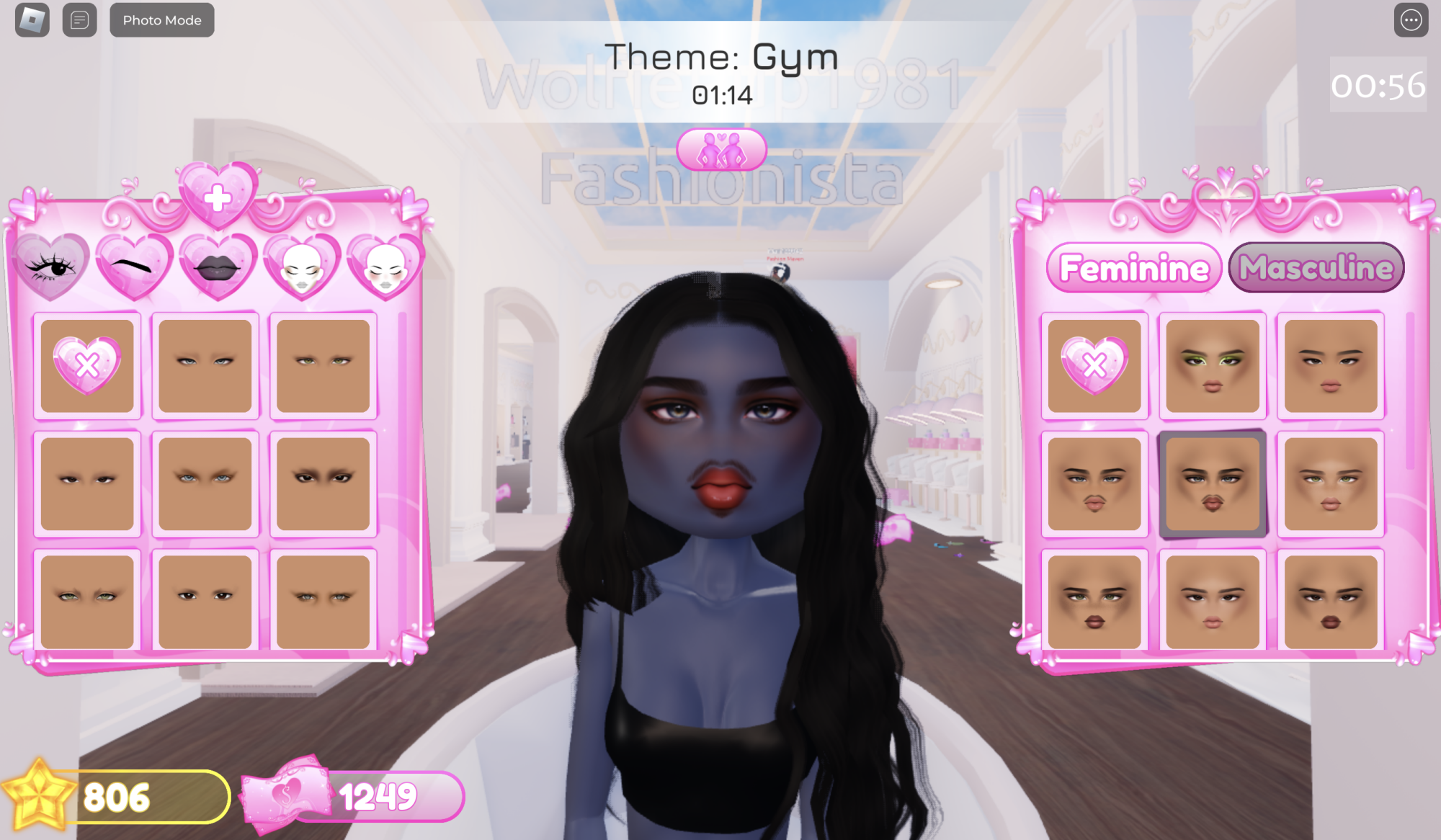
While my daughter might wish to completely forget about Toilet Tower Defense, she adores Dress to Impress, a game that everyone in the family enjoys. This title is significantly simpler, akin to playing dress-up with dolls. Each round presents a theme (ranging from “Beach Day” to “Classic Goth”), and players have a limited time to navigate through a wardrobe to select outfits that fit the theme, along with making changes to hair and makeup. The game concludes with a runway walk where players can rate each other’s fashions, but the judging tends to be quite casual.
A few aspects are worth critiquing: the basic wardrobe options are limited, and players must spend approximately $7 in Robux to gain “VIP Status” for more variety. While you can choose a male or female avatar, they can’t share clothing, with the male selection being notably sparse. (There’s also a somewhat creepy aspect regarding the NPC nail technician, which unsettled my son.)
Mega Hide and Seek
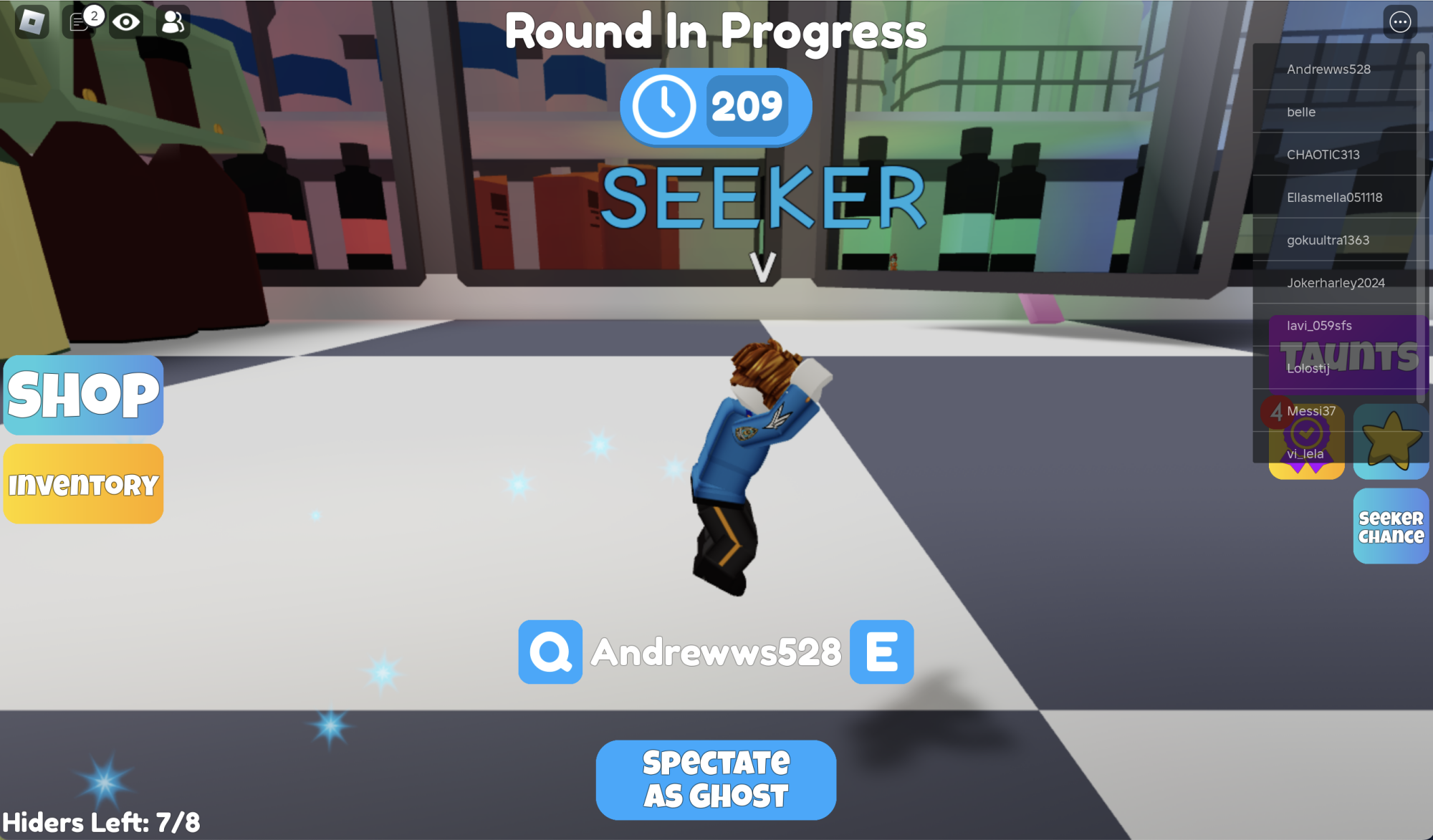
If your home isn’t conducive to a genuine game of hide and seek, this online version captures the essence well. In this game, players shrink down into various familiar settings—from a classroom to a child’s bedroom—and are assigned as either hiders or seekers. They must then guide their miniature avatars around the space to either find or evade other players before time runs out. Various modes add excitement, including a winter setting that introduces slipperiness and a “zombie” feature where anyone tagged by the seeker joins as another seeker.
What makes Mega Hide and Seek appealing is that players can fully engage without needing to purchase Robux; spending only unlocks map or mode selection.
Murder Mystery 2
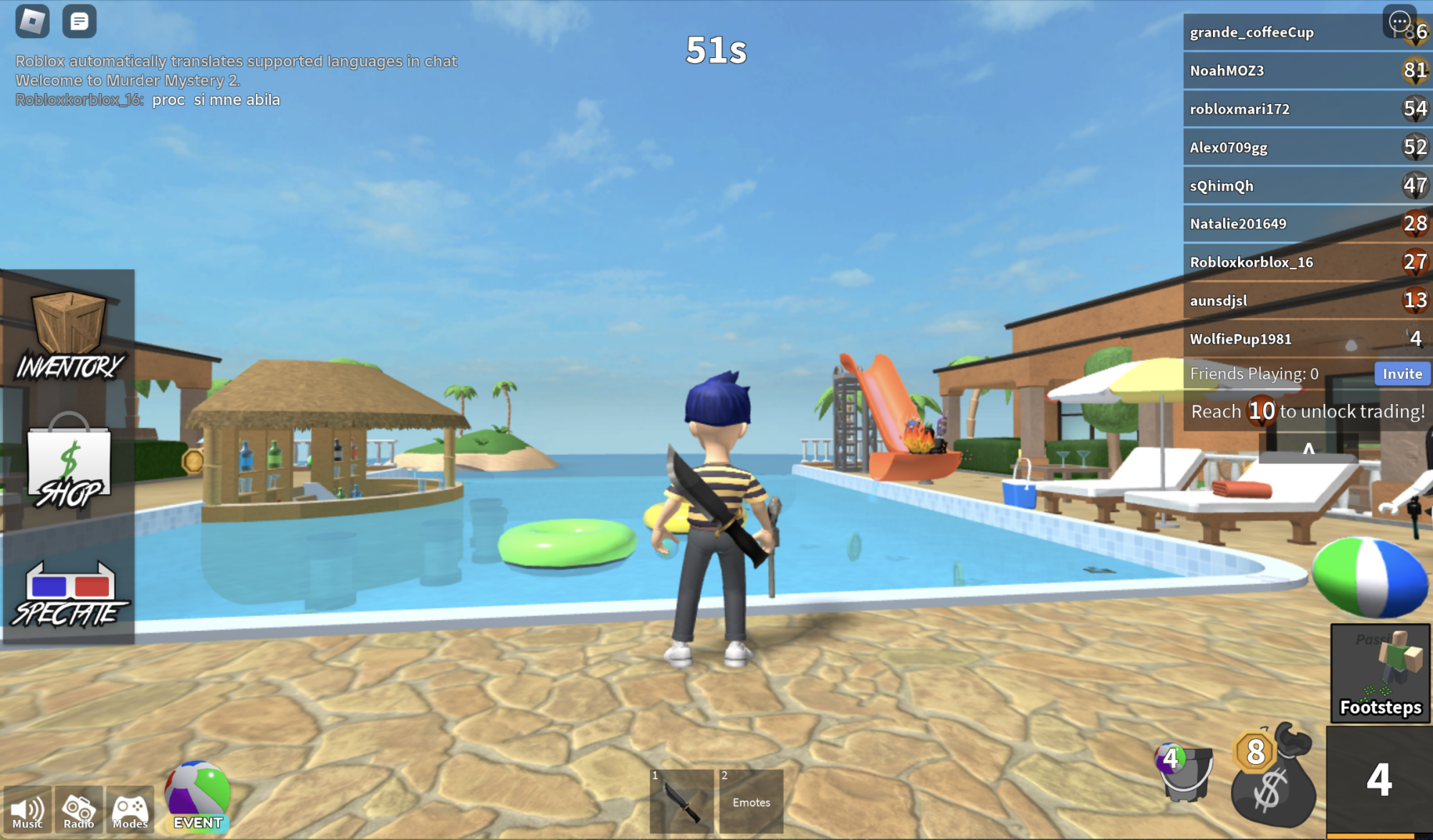
This title may not be suitable for parents wary of their children engaging in a game where players hunt each other, but the reality is not as intense as the title might suggest. Players take on roles—Innocent, Murderer, or Sheriff—and find themselves in random maps trying to survive. The Murderer seeks out other players, the Sheriff tries to eliminate the Murderer, while the rest simply aim to stay alive. Each round is brief and entertaining, featuring a gameplay style reminiscent of Among Us. (This game also has roots in a previous title called Murder Mystery, with the current game being a sequel.)
Epic Minigames
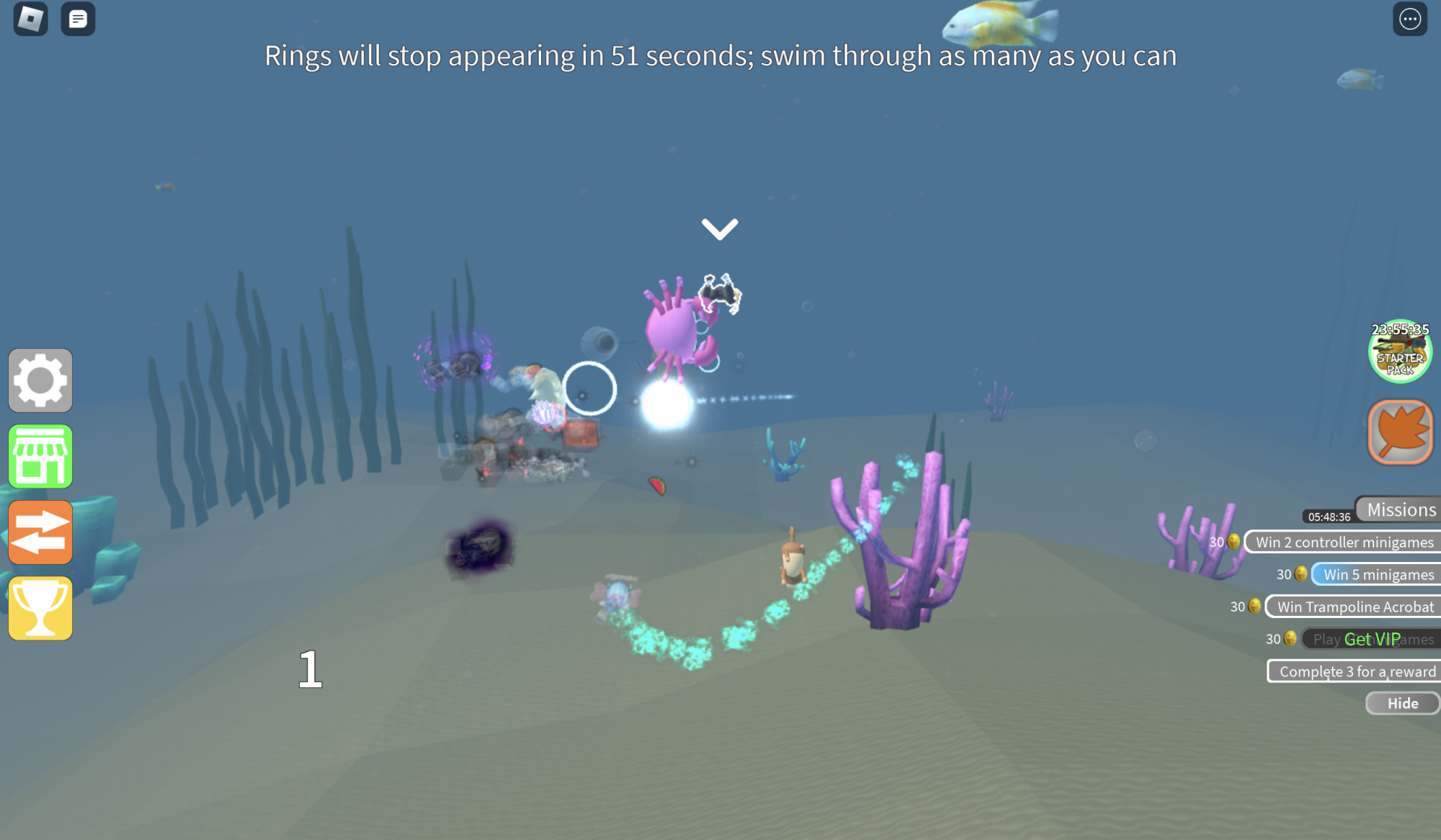
Our family enjoys playing a lot of Mario Party, but the age gap among family members can sometimes lead to friction in gameplay. Epic Minigames serves as a remedy by offering a variety of brief challenges that each last a minute or two, capturing the lively spirit of competition without the emotional rollercoaster accompanying board games. The challenges tend to be straightforward (such as standing on a designated color while avoiding peril), ensuring a low skill requirement while keeping boredom at bay. Moreover, there’s no necessity to purchase Robux to engage with the game, although the developers welcome any spending on pets or special effects.